


The Allure of the Casino Environment
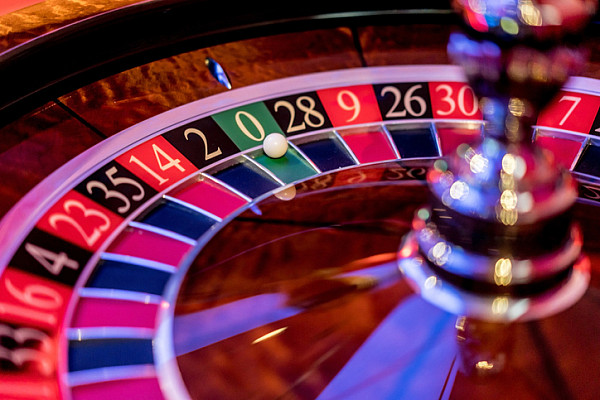
The casino environment is meticulously crafted to entice guests through a combination of sensory elements that stimulate emotions and elicit excitement. Bright lights, vibrant colors, and exhilarating sounds come together to create an atmosphere that captures attention and heightens anticipation. This sensory overload not only draws patrons in but also fosters a sense of thrill that makes individuals more likely to spend both time and money at the best australian online casino while enjoying their favorite games. The strategic arrangement of gaming machines, tables, and amenities is designed to keep visitors engaged and immersed in the exhilarating experience of gambling.
Furthermore, the architecture and layout of casinos profoundly influence the psychological experience of gamblers. Many casinos are intentionally devoid of windows and clocks, a strategic choice aimed at disconnecting individuals from the reality of time and their surroundings. This design encourages players to lose track of time and often results in them spending more than they originally intended. Comfortable seating, inviting lounges, and the general ambiance of luxury create an environment that is conducive to prolonged gambling sessions, making it easy for players to remain engrossed in their gaming activities.
Moreover, the social dynamics within casinos cannot be overlooked. Many individuals are drawn to the communal aspects of gambling, relishing the camaraderie and energy that comes from placing bets alongside fellow players. This social interaction enhances the thrill of the gambling experience, as participants share in the highs and lows of the games. As a result, casinos evolve into social hubs where psychological needs for belonging, excitement, and shared experiences are fulfilled, making the gambling experience even more addictive.
The Role of Cognitive Biases
Cognitive biases significantly influence the psychology of gambling, shaping decision-making processes and behaviors among players. One prevalent bias is the illusion of control, which leads gamblers to believe that they can influence the outcomes of games primarily driven by chance. This misconception often results in individuals overestimating their skills or strategies, prompting them to place more bets. For instance, a poker player may convince themselves that their reading of other players’ behaviors can sway the game in their favor, despite the inherent randomness involved.
Another critical cognitive bias is the gambler’s fallacy, the erroneous belief that past outcomes can influence future results in random events. A player may think that after a series of losses, a slot machine is “due” for a win, leading them to increase their bets in the hope of a favorable outcome. This flawed logic creates a cycle of gambling where players chase perceived wins, often resulting in deeper engagement in the gaming experience and further entrenchment in gambling behavior.

The emotional dimensions tied to these cognitive biases are equally significant. When faced with losses, gamblers may feel compelled to chase their losses, believing they can recover lost money by continuing to bet. This emotional attachment to gambling creates a vicious cycle that is challenging to break, leading to compulsive gambling behavior and financial distress. Understanding the impact of cognitive biases is essential for recognizing how they shape behaviors and decisions, ultimately leading players deeper into the casino’s grasp.
The Emotional Highs and Lows of Gambling
The emotional landscape of gambling is multifaceted, characterized by a range of intense highs and lows. The euphoric rush experienced during a win can be exhilarating, triggering the release of dopamine in the brain, which reinforces the desire to engage in gambling. This pleasurable response to winning creates a powerful psychological connection to the activity. Players often chase this high, leading them to engage in risk-taking behaviors that can escalate over time, making it difficult to manage their gambling habits.
Conversely, losses can evoke deep feelings of despair, frustration, and even shame. The stark contrast between the excitement of winning and the disappointment of losing creates an emotional rollercoaster, where players fluctuate between hope and despair. Such emotional turmoil can cloud judgment and lead to further gambling, as individuals attempt to escape negative feelings or recapture the thrill of previous wins. This emotional volatility can significantly hinder rational decision-making and self-control among players.
Moreover, the fear of loss can become a powerful motivator for continued gambling. Players may feel an overwhelming need to validate their previous choices or avoid the stigma of admitting defeat, which can escalate risky behavior. This psychological pressure often leads to significant emotional and financial consequences. The interplay between the highs and lows of gambling is a fundamental aspect of the experience, deeply affecting players’ decisions and shaping their overall journey through the world of casinos.
The Impact of Marketing and Promotions
Certainly, casinos employ sophisticated marketing strategies aimed at maximizing player engagement and retention. The use of complimentary gifts, loyalty programs, and enticing promotions creates a sense of value and reward that draws players into the gambling experience. These marketing tactics are often tailored to meet the psychological needs of players, such as the desire for recognition and a sense of belonging. By offering perceived rewards, casinos effectively encourage repeat visits, which can lead to longer gambling sessions and increased spending.
The urgency created by limited-time promotions also plays a crucial role in influencing gambling behavior. When individuals perceive an opportunity that is time-sensitive, they may feel compelled to act quickly, often leading to impulsive decisions that they might not make under normal circumstances. This sense of urgency can amplify the excitement of gambling, making patrons more likely to participate in games they might otherwise avoid. The combination of marketing tactics and psychological triggers creates a compelling framework that fosters continuous engagement in gambling activities.
Additionally, the personalization of marketing efforts through data analysis has become an increasingly prevalent trend within the casino industry. By tailoring promotions and offerings to the specific preferences of individual users, casinos can create a more relevant and engaging experience for their patrons. This targeted approach heightens the emotional connection to the casino, reinforcing loyalty and increasing the likelihood of repeat visits. Understanding the interplay between marketing strategies and psychological triggers is essential for grasping the overall impact on gambling behavior.
Understanding Gambling Behavior through Research
Research into gambling behavior has yielded valuable insights into the psychological mechanisms at play within casinos. Numerous studies have explored the impact of environmental factors, cognitive biases, and emotional responses on gambling behaviors. These investigations reveal patterns that highlight the complexities of why individuals engage in gambling, emphasizing the need for responsible gaming practices to mitigate the inherent risks associated with this activity.
The findings from this body of research underscore the importance of education and awareness regarding the psychological aspects of gambling. By understanding the underlying motivations and biases that drive gambling behavior, players can better navigate their choices and recognize when their behavior may become problematic. This heightened awareness can foster healthier gambling habits, encouraging moderation and self-control in an environment that is often saturated with temptation.
As the casino industry continues to evolve, the need for ongoing research into gambling psychology remains crucial. By enhancing our understanding of these phenomena, we can develop more effective strategies for promoting responsible gambling and providing support for individuals at risk of developing problematic behaviors. Engaging with the research not only benefits players but also contributes to the broader dialogue surrounding gambling and its psychological implications in contemporary society.